
Pool Surface Repair & Spot Patching in Palm Bay, FL
Palm Bay Pool Resurfacing handles localized pool surface repair for homeowners in Palm Bay and southern Brevard County when a full resurface isn't warranted yet. A chipped step, a small delamination pocket, or a hairline surface crack can sometimes be repaired on its own and buy the finish more seasons. The part worth being straight about is that on an aged surface, a repair is often a stopgap rather than a lasting fix — and which one you're getting is confirmed when the surface is seen.
What surface repair covers
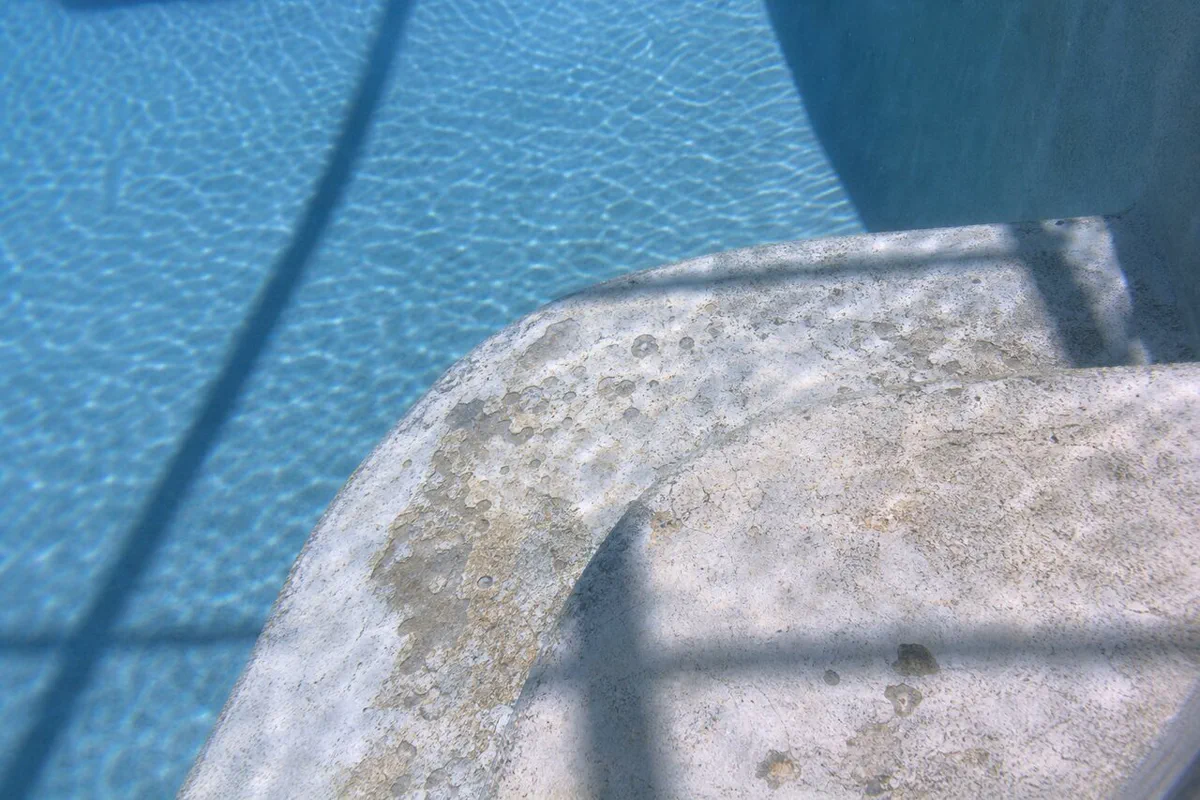
Repair addresses specific spots rather than the whole pool: chipped or worn step and bench edges, small pop-off areas where the finish has let go from the shell, localized cracks in the finish layer, and stained or rough patches that are contained rather than spread across the surface. The failed material is removed, the area is prepped, and matching finish is applied.
Repair versus resurfacing
The honest test is how much of the surface is involved. If the rest of the finish is sound and the damage is contained, a repair makes sense. If the surrounding plaster is already rough, mottling, or thin, patching a spot in the middle of a failing surface won't blend and won't last — you'd be repairing the same pool again soon. When that's the situation, resurfacing is the more economical path even though it costs more today.
Will the patch match?
On a newer surface, a repair can blend reasonably well. On an older, sun-faded finish, an exact color match is unlikely — new material reads brighter against aged plaster. That cosmetic reality is part of the repair-versus-resurface conversation, and it's one reason the recommendation is made in person rather than over the phone.
What affects the cost
Repair pricing depends on how many areas are involved, how deep the damage goes, and access to the pool. Because a repair that turns out to be part of a larger failure changes the picture, the surface is reviewed first and the scope is confirmed at the pool. More on cost factors.
Request a Pool-Surface Callback
Describe the surface in plain language. You don't need to diagnose the issue before reaching out.
Questions Homeowners Ask
Should I repair or just resurface?
It comes down to how much of the finish is failing. Contained damage on an otherwise sound surface is a good repair candidate; scattered roughness or mottling usually means resurfacing is the better value. The call is made when the surface is seen.
Will a repair be noticeable?
Possibly. New finish material reads brighter than aged, sun-faded plaster, so an exact match on an older pool is unlikely. On newer surfaces a repair blends better. This gets discussed honestly before any work is quoted.
How long will a repair last?
On a sound surface with contained damage, a repair can hold for years. On a surface that's near the end overall, it's a stopgap that buys time before a full resurface. Which situation you're in is confirmed on site.
Tell us what the surface is doing.
A plain-language description is enough to start. The scope is confirmed at the pool, once the surface, size, and access are seen in person.